In the modern Corporate Financial, efficient and standardized financial processing workflows serve as the cornerstone of robust corporate operations. As digital transformation deepens, traditional financial tasks are shifting from cumbersome manual record-keeping toward automated management.
Standardized Processes and Automation Methods for Corporate Financial Processing
Standardized Corporate Financial Processing Workflow
A well-regulated corporate financial workflow typically follows a closed-loop path—spanning from the collection of source documents to the generation of financial reports—and primarily comprises the following six core stages:
1. Budget Preparation and Pre-Expenditure Control
The process begins with the formulation of annual or quarterly budgets aligned with the company’s strategic objectives. This encompasses revenue forecasting, fixed cost budgeting, and capital expenditure planning. The core principle of pre-expenditure control is to verify that proposed expenditures align with the budget before they are incurred, thereby preventing the misuse of funds.
2. Collection and Verification of Source Documents
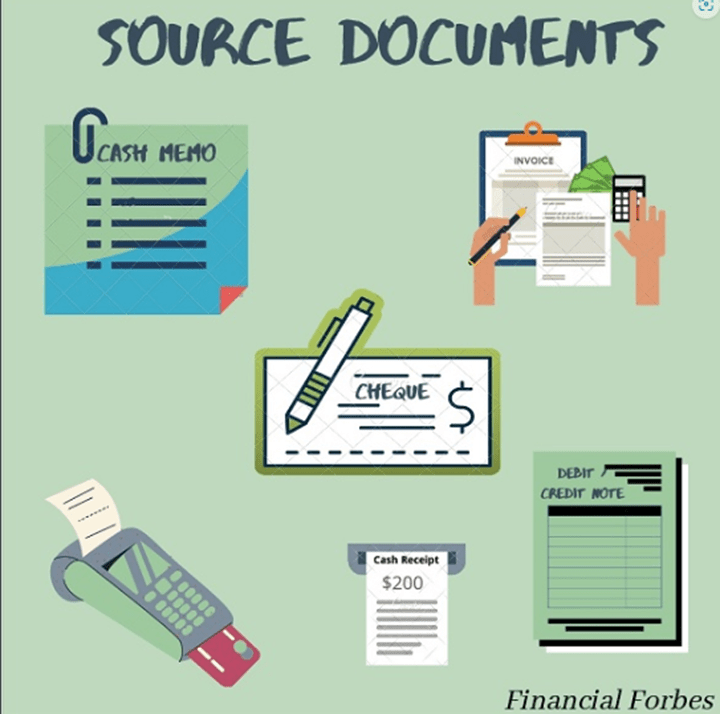
This stage constitutes the foundation of financial accounting. It involves gathering invoices, receipts, bank transaction slips, and employee-submitted expense reimbursement forms. Financial personnel are required to verify the authenticity and legality of these documents, as well as the compliance of the underlying reimbursement logic.
3. Accounting Processing and Bookkeeping

Based on verified source documents, financial personnel create accounting entries in accordance with established accounting standards. In modern workflows, this stage is typically executed within an ERP or dedicated financial management system, covering the following areas:
Accounts Payable (AP): Recording and managing payments to vendors and suppliers.
Accounts Receivable (AR): Tracking outstanding customer balances and recognizing revenue.
Asset and Liability Accounting: Including the calculation of fixed asset depreciation, accruals for employee compensation, and similar items.
4. Account Reconciliation and Cross-Verification
Bank reconciliation is performed on a regular monthly basis to ensure that the balances recorded in the company’s internal ledgers align perfectly with the corresponding bank statements. Concurrently, internal inter-company accounts and related-party transactions must be cross-verified to ensure consistency between the ledger records, physical assets/liabilities, and supporting documentation.
5. Month-End Closing and Financial Statement Preparation
Once all daily transactions have been posted and all accounts have been reconciled, the process of closing the books and transferring profit/loss balances is initiated. The system then automatically generates the three primary financial statements:
Income Statement: Measures the company’s profitability (gains and losses).
Balance Sheet: Reflects the company’s financial structure (assets, liabilities, and equity).
Cash Flow Statement: Reveals the company’s cash liquidity and movement.
6. Tax Filing and Audit Compliance
Based on the finalized accounting results, tax filings—such as Value-Added Tax (VAT) and Corporate Income Tax—are prepared and submitted. Simultaneously, periodic internal or external audits are conducted to ensure that financial processes remain in full compliance with national regulations and industry-specific standards.
Wallester: The Leading Automated Financial Assistant
Within the aforementioned processes, Wallester—an innovative automated financial management platform—serves to significantly alleviate the pain points businesses face regarding expense control and receipt capture.
Key Advantages of Using Wallester:
Real-Time Expense Control:
With Wallester, businesses can instantly issue virtual or physical corporate cards to their employees. Management can set customized spending limits and budget caps for each card, thereby maximizing the effectiveness of “proactive control.”
Automated Receipt Capture (OCR):
After making a purchase, employees simply need to snap a photo of the receipt; the system automatically recognizes and matches it to the corresponding transaction record. This eliminates the hassle of sifting through paper invoices at month-end, significantly reducing the burden on the financial review team.
Seamless Integration with Accounting Software:
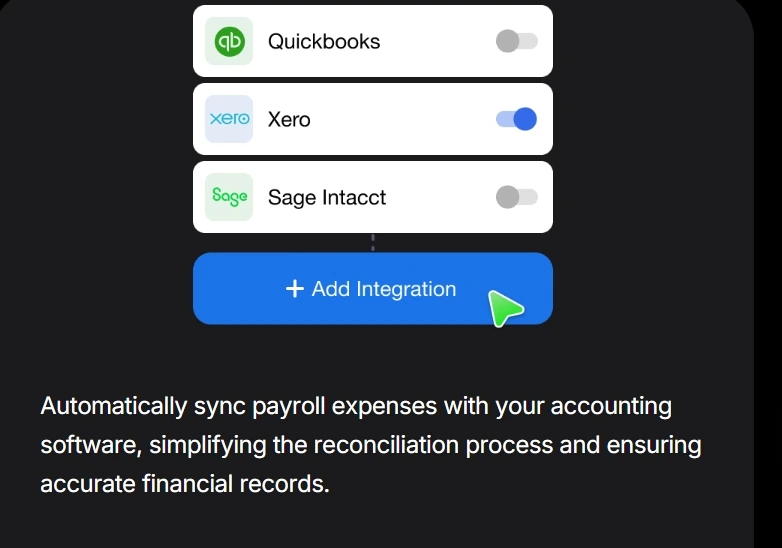
Wallester supports one-click synchronization with leading accounting software platforms such as QuickBooks and Xero. All card-based transactions are recorded in the ledger in real-time, drastically shortening the time required for month-end closing and reconciliation.
Multi-Currency Global Payments:
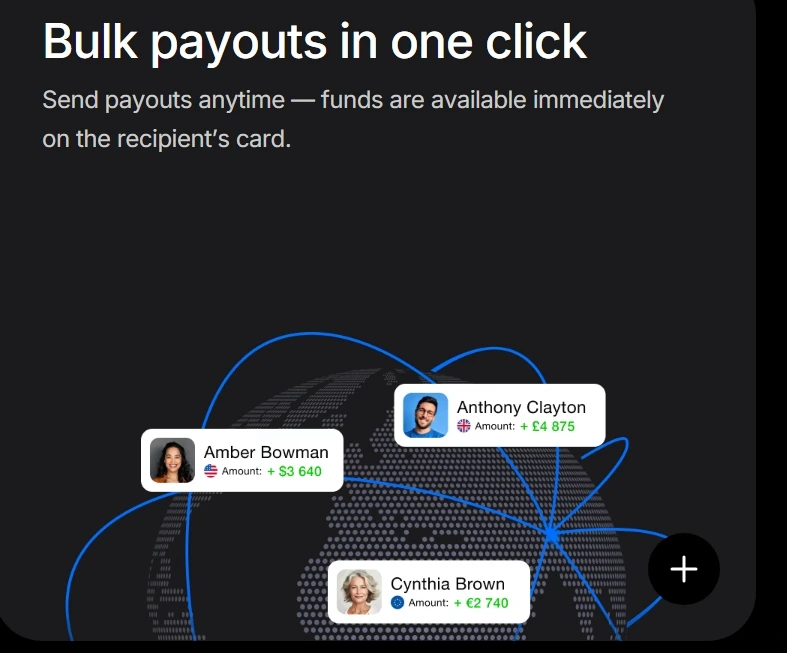
The platform offers multi-currency IBAN accounts, facilitating efficient cash management for cross-border operations, minimizing foreign exchange losses, and boosting global operational efficiency.
A Disruptive Business Model:
The Wallester Business solution is completely free for enterprises. Unlike traditional banks or financial systems that charge exorbitant monthly fees, card issuance fees, or maintenance costs, Wallester remains committed to offering zero-cost account opening and usage. Its revenue is not derived from its users, but rather from interchange fees—revenue-sharing agreements with payment partners such as VISA. This means that businesses can enjoy professional-grade automated financial tools without incurring any additional subscription costs, creating a true win-win scenario.
Conclusion:
Corporate financial processes are currently shifting from “passive recording” to “active management.” By leveraging free automated assistants like Wallester, businesses can not only enhance regulatory compliance but also liberate their finance teams from tedious administrative tasks, allowing them to focus on higher-value strategic decision-making.